
What Is Florida HOA Volunteer Board Software?
Florida HOA volunteer board software gives self-managed homeowners associations a purpose-built platform for governing without professional management staff. Volunteer board members dedicate their personal time to governance, compliance, and financial oversight under Florida law. In addition, they carry every Chapter 720 obligation regardless of their level of experience.
Volunteer boards face unique challenges that professional management firms never encounter. Without Florida HOA volunteer board software, boards struggle to coordinate governance responsibilities, satisfy statutory deadlines, and maintain organized records. These challenges grow with every board transition and every new statutory obligation.
Why Volunteer Boards Face Unique Governance Challenges
Statutory obligations under Chapter 720 require precise procedures on meetings, finances, violations, and record retention. Each obligation also carries its own timeline and documentation standard. Therefore, volunteer boards that manage these functions informally create compliance gaps that expose the community to legal challenges.
Board members serve limited terms and also bring varying levels of association governance experience. Additionally, when an experienced board member leaves, the institutional knowledge they carry often leaves with them. This turnover creates continuity risks that compound without a structured governance platform.
Consistent governance across every board function requires tools that guide volunteer members through statutory requirements automatically. When the platform handles workflows, deadlines, and documentation, boards focus on governance decisions rather than administrative details. Consequently, purpose-built software gives volunteer boards the same governance standards managed communities deliver.
Florida HOA Volunteer Board Software and Chapter 720
Dedicated Florida HOA volunteer board software connects every governance function to applicable Chapter 720 provisions. The platform configures meeting workflows, notice templates, violation procedures, and financial reporting to align with Florida statutory requirements. Furthermore, it timestamps every board action and communication, protecting the board when governance practices face scrutiny.
Each workflow guides board members through the correct sequence of steps for every function. Because the platform automates notices and deadline tracking, volunteer boards achieve professional procedural consistency. This gives every self-managed community the institutional knowledge that supports effective, compliant governance.
Meeting Management Tools for Volunteer Board Members
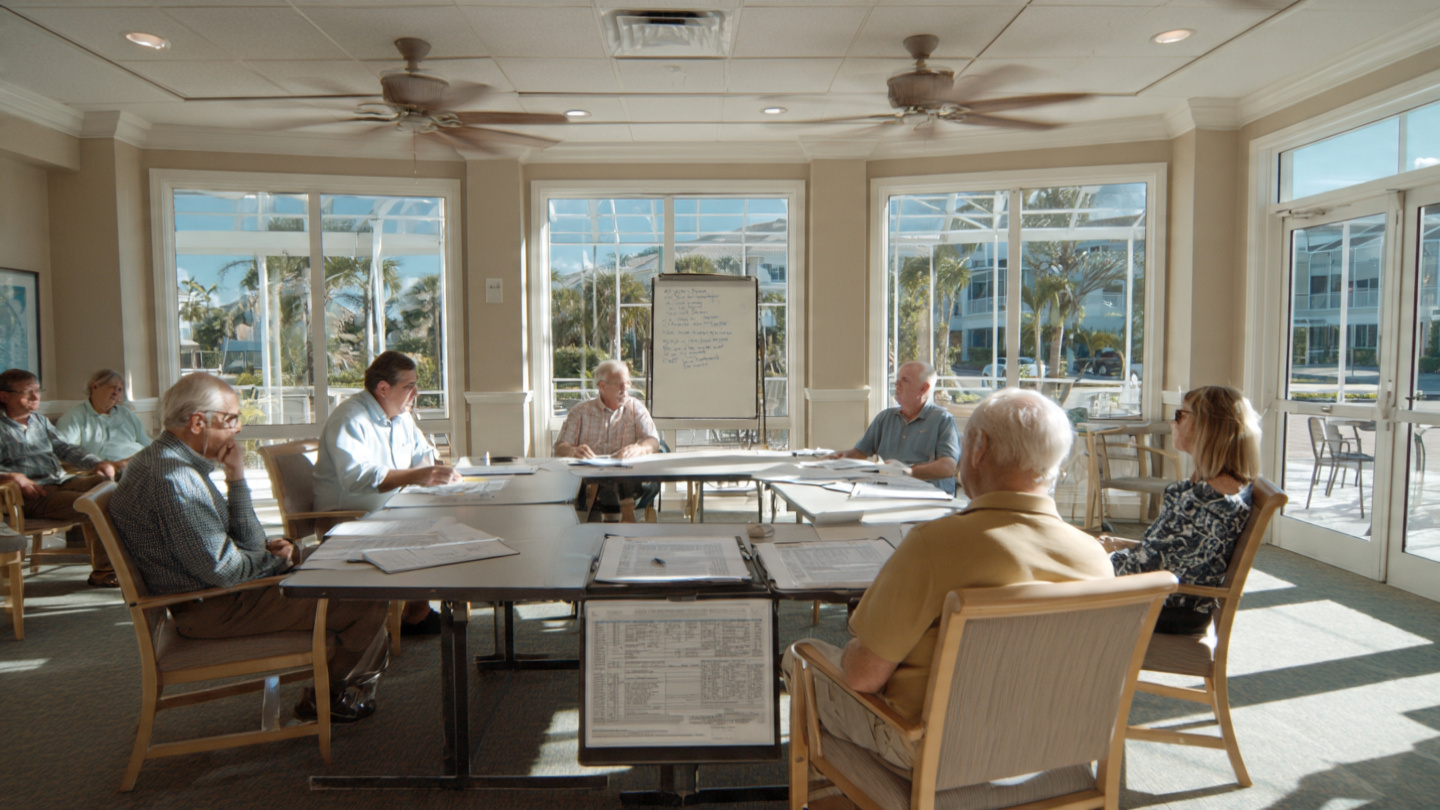
Meeting tools guide volunteer boards through every statutory requirement for annual meetings, board meetings, and special meetings under Chapter 720. Board members receive agenda templates and required notice language that ensure every meeting satisfies Florida law. Moreover, minute documentation workflows produce complete, defensible meeting records the association retains permanently.
Quorum tracking also alerts boards when attendance falls below the required threshold before votes proceed. As a result, boards avoid the procedural errors that invalidate meeting actions and expose governance decisions to owner challenges.
Financial Oversight Without Professional Accounting Staff
Financial oversight falls entirely to volunteer board members without a dedicated accounting team. The platform handles assessment billing, payment application, delinquency tracking, reserve fund management, and financial reporting in one organized system. Additionally, budget adoption workflows guide boards through the Chapter 720 budget process with required notice periods built in.
Assessment collection and financial reporting become manageable when every transaction posts automatically and every report generates on demand. Furthermore, reserve fund tracking gives boards real-time visibility into funding status without manual spreadsheet compilation.
Protecting Volunteer Boards Against Legal Challenges
When volunteer boards face owner challenges, the completeness of their governance records determines their legal position. The platform also preserves every notice, meeting minute, violation record, and financial report with timestamped audit trails. Moreover, consistent documentation across every function protects volunteer boards from selective enforcement claims, inspection penalties, and procedural challenges.
Through the owner portal, association members access board decisions, posted documents, and meeting records at any time. This transparency reduces owner disputes and builds resident confidence in the volunteer board’s governance. Above all, complete, organized records are the strongest protection a volunteer board carries into any legal proceeding.
Steps for Achieving Goal
- Configure the platform’s board management modules to reflect the association’s governing documents and Chapter 720 requirements.
- Set up meeting scheduling, notice templates, agenda management, and minute documentation workflows for every required meeting type.
- Activate assessment billing, payment application, delinquency tracking, and reserve fund management workflows.
- Configure violation tracking procedures aligned with Chapter 720 enforcement requirements and the association’s governing documents.
- Enable the owner portal so association members can access board decisions, posted documents, and meeting records.
- Train all current and incoming board members on the platform’s governance, financial, and communication tools.
- Maintain current meeting records, financial postings, and governance documentation as board membership changes.
Key Takeaways
- Purpose-built Florida HOA volunteer board software gives self-managed boards tools to govern under Chapter 720 without professional management staff.
- Chapter 720 imposes specific procedural requirements on meetings, finances, violations, and records that informal coordination tools cannot satisfy consistently.
- Meeting management tools produce complete, defensible records that protect volunteer boards when governance decisions or procedures face owner challenges.
- Financial oversight tools give volunteer boards assessment billing, reserve tracking, and budget adoption capabilities without a dedicated accounting team.
- Timestamped governance records protect volunteer boards against selective enforcement claims, inspection penalties, and procedural challenges from owners.
- Owner portal access reduces direct inquiries to board members and demonstrates transparent, consistent governance to every association member.
- A fully configured platform gives volunteer boards institutional knowledge, procedural consistency, and organized records through every board transition.
Conclusion
Managing a Florida homeowners association as a volunteer board is among the most meaningful forms of community service. The right tools transform that challenge into a manageable governance experience.
Adopting Florida HOA volunteer board software gives self-managed boards the tools to govern effectively under Chapter 720. Furthermore, the platform reduces board liability, preserves institutional knowledge, and maintains a complete governance record every Florida HOA requires.
Communities governed by volunteer boards that invest in purpose-built software demonstrate that self-managed governance meets the highest professional standards. Most importantly, they build the documented governance record that protects the association when disputes, audits, or legal proceedings arise. Florida HOA volunteer board software makes that standard achievable for every self-managed community.
The information provided on this website is NOT to be considered legal advice. Associations and unit owners should consult with legal counsel for the specific application of the Association’s governing documents and Florida Statutes.