
How Do Self Managed HOA Delinquency Florida Collections Work?
Delinquent assessments represent one of the most serious financial challenges a homeowners association can face. When owners fail to pay, the entire community bears the burden through reduced reserves, deferred maintenance, and budget shortfalls. Self managed hoa delinquency florida collections require a structured, legally compliant process that protects the association’s financial health and treats all owners fairly.
Chapter 720 of the Florida Statutes establishes specific procedures governing HOA assessment collection and delinquency enforcement. Boards that follow these procedures consistently protect the association from legal challenges and demonstrate professional governance. Therefore, understanding the full collections process is essential for every self-managed board in Florida.
Understanding Assessment Delinquency Under Florida Law
An assessment becomes delinquent when an owner fails to pay by the due date established in the association’s governing documents. Florida law permits associations to charge late fees and interest on delinquent balances. Furthermore, Chapter 720 grants associations the right to place a lien on a delinquent owner’s property under defined conditions.
Associations must follow precise notice and procedural requirements before pursuing collections. Consequently, boards that skip steps or issue improper notices risk invalidating their collections efforts entirely. A documented, consistent process is not optional. It is a legal necessity that every self-managed board must maintain.
The Role of Governing Documents in Collections
Every association’s governing documents establish the foundation for its collections policy. The declaration, bylaws, and rules define payment due dates, grace periods, late fees, and interest rates. Therefore, boards must review their governing documents carefully before establishing any collections procedure.
Additionally, many associations adopt a formal collections policy that supplements their governing documents. This policy defines the timeline for escalating delinquent accounts, the thresholds for lien filing, and the procedures for referring accounts to legal counsel. Above all, a written collections policy ensures consistent treatment of all owners and reduces the risk of discrimination claims.
Required Notices and Timelines for Self Managed HOA Delinquency Florida
Self managed hoa delinquency florida procedures require specific written notices before escalating a delinquent account. The association must provide the owner with proper notice of the delinquency and the opportunity to cure before filing a lien. Florida law establishes minimum notice periods that associations must respect.
Moreover, the lien itself must be recorded in the public records of the county where the property is located. The lien notice must contain specific information required by Chapter 720. Boards that prepare lien documents without legal guidance risk filing defective instruments that delay collections and expose the association to liability. Similarly, premature or improper lien filings can result in the association owing the owner attorney fees.
Lien Filing and Foreclosure Procedures
Filing a lien is a significant legal step in the self managed hoa delinquency florida collections process. It places a formal encumbrance on the owner’s property and creates a public record of the delinquency. Furthermore, a properly recorded lien establishes the association’s priority position relative to other creditors in defined circumstances.
Foreclosure of an HOA lien is the ultimate enforcement tool available to Florida associations. However, foreclosure is a judicial process with strict procedural requirements. Boards should never attempt to manage foreclosure actions without qualified legal counsel. In addition, associations must evaluate the cost-benefit of foreclosure carefully, particularly when a first mortgage exists on the property.
Technology Tools for Managing Delinquencies
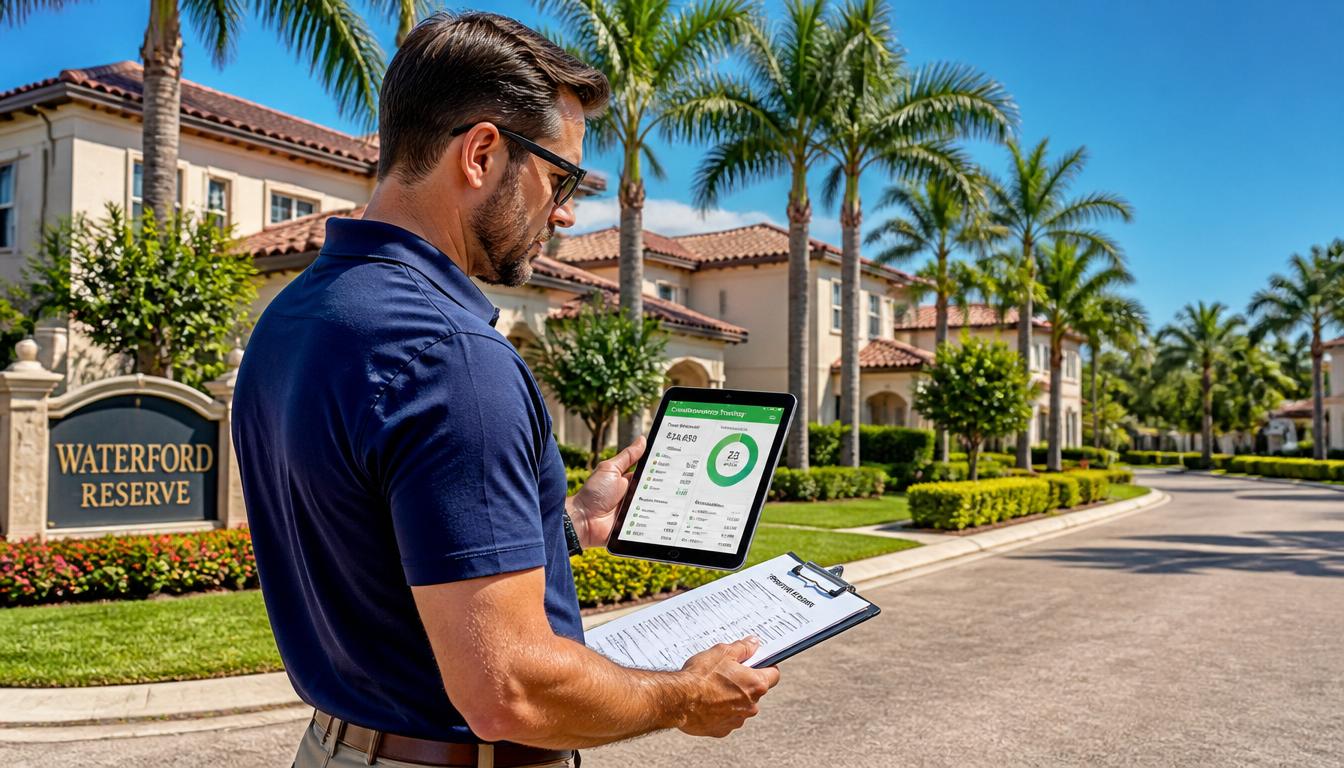
Purpose-built software significantly improves how self managed hoa delinquency florida boards track and manage delinquent accounts. Automated payment reminders reduce delinquencies before they escalate. Additionally, integrated accounting systems provide real-time visibility into which accounts are current, late, or referred for collections.
Violation and collections tracking modules allow boards to document every notice sent, every payment received, and every action taken on a delinquent account. Consequently, this documentation becomes critical evidence if the association must defend its collections process in a legal proceeding. Organized records also help legal counsel act quickly and efficiently when escalation becomes necessary.
Steps for Achieving Goal
- Review your association’s governing documents to confirm payment due dates, grace periods, late fee amounts, and interest rates currently in effect.
- Adopt a formal written collections policy that establishes the timeline and procedures for escalating delinquent accounts consistently.
- Implement a software platform with integrated accounting and delinquency tracking to monitor all owner account balances in real time.
- Send written delinquency notices promptly after the grace period expires and document every notice with date, method of delivery, and recipient.
- Consult qualified legal counsel before filing any lien to verify that all notice requirements under Chapter 720 have been satisfied.
- Evaluate each delinquent account individually before authorizing foreclosure and weigh the cost of legal proceedings against the amount owed.
- Report delinquency status to the full board at every regular meeting and maintain complete records of all collections activity in the association’s files.
Key Takeaways
- Self managed hoa delinquency florida collections require strict compliance with Chapter 720 notice and procedural requirements.
- Governing documents establish the foundation for all collections activity, including due dates, late fees, and interest rates.
- A formal written collections policy ensures consistent treatment of all owners and reduces legal exposure for the association.
- Lien filing is a legal instrument that must meet specific Chapter 720 requirements before recording in county public records.
- Foreclosure is the ultimate enforcement tool but requires qualified legal counsel and careful cost-benefit analysis before proceeding.
- Purpose-built software improves delinquency tracking, automates reminders, and creates the documented records associations need in legal proceedings.
- Boards that follow a consistent, documented collections process protect the association financially and demonstrate professional governance.
Conclusion
Delinquency management is one of the most legally sensitive responsibilities a self-managed HOA board carries. The financial health of the entire community depends on consistent, compliant collections practices. Self managed hoa delinquency florida procedures exist to protect both the association and the rights of every owner involved.
Boards that invest in proper systems, written policies, and legal guidance position their associations to address delinquencies swiftly and effectively. Professional collections management is not about conflict. It is about protecting the community’s resources and ensuring every owner contributes their fair share to the place they call home.
The information provided on this website is NOT to be considered legal advice. Associations and unit owners should consult with legal counsel for the specific application of the Association’s governing documents and Florida Statutes.